
Physical pain can have a profound effect on everyday life. Muscle tension, joint discomfort, back pain and persistent aches may affect our sleep, energy levels and emotional well-being.
When pain becomes part of daily life, it is natural to look for ways to feel more comfortable and regain a sense of calm.
Among the complementary wellness approaches that attract interest, traditional healing magnetism, sometimes described as a form of energy healing, has a particular place.
Practised for generations, it is based on an energetic understanding of the human body and aims to encourage relaxation and a sense of inner balance.
But an important question remains: can energy healing really relieve pain?
How does a session work? Why do some people visit a magnetism practitioner? And how does this approach differ from Reiki and conventional medical care?
Let’s explore what this practice involves, the sensations some people experience, what scientific research tells us and how to approach it with realistic expectations.
What is traditional healing magnetism?
Traditional healing magnetism is a complementary wellness practice based on the belief that vital energy flows through the human body.
Within this perspective, certain physical or emotional tensions are thought to be associated with energetic imbalances.
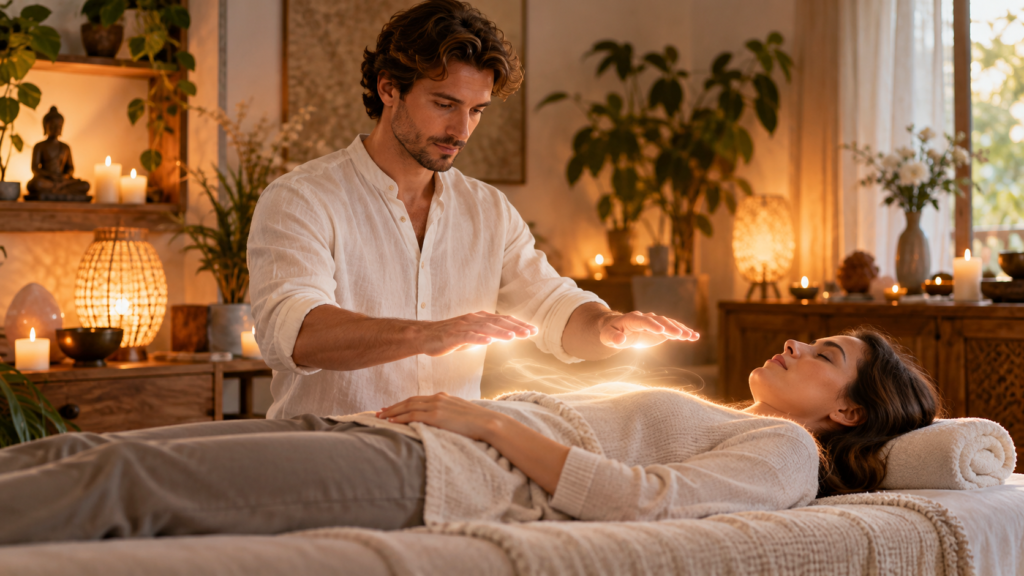
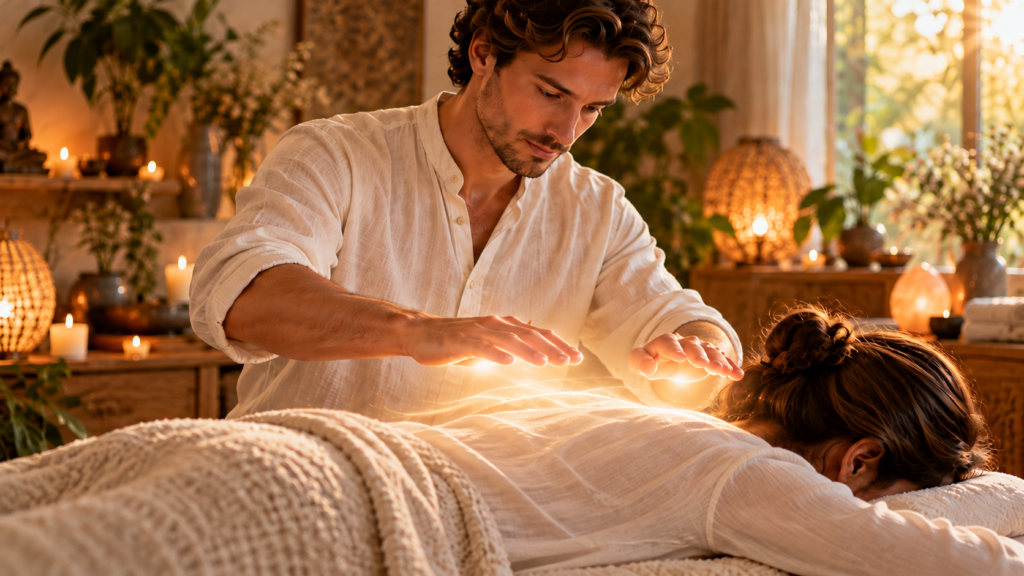
A magnetism practitioner generally places their hands on or near the body, with consent, in an attempt to promote a feeling of calm and energetic harmony.
However, it is important to understand that the existence of a therapeutic energy field of this kind, and its specific ability to reduce pain, have not been scientifically demonstrated.
Healing magnetism should therefore be considered a complementary wellness practice rather than a medically validated treatment.
It is also different from medical techniques that use measured magnetic fields or specialised equipment.
A traditional practice passed down through generations
Healing magnetism has a long history in various European traditions.
In France, for example, some people visit a magnetism practitioner when experiencing tension, discomfort or a desire for greater relaxation.
Methods differ according to each practitioner’s background, experience and personal approach.
Some work mainly through hand movements, while others combine magnetism with relaxation methods, Reiki or intuitive guidance.
What is the difference between magnetism and Reiki?
Reiki is a Japanese energy-based practice commonly associated with Mikao Usui.
Traditional healing magnetism encompasses several traditions, particularly European ones, and does not follow one universally standardised method.
Both practices often involve the placement of hands on or near the body and aim to provide a relaxing experience.
The main differences concern their origins, teachings, terminology and approaches to practice.
Can energy healing really relieve pain?
Some people report feeling more relaxed or experiencing a subjective reduction in discomfort after a healing magnetism session. However, there is no strong scientific evidence that traditional magnetism treats the underlying cause of pain or provides a specific pain-relieving effect.
This distinction matters.
When someone experiences relief, that feeling is meaningful to them. Nevertheless, feeling better after a session does not necessarily demonstrate that healing magnetism has directly changed the biological processes responsible for pain.
Several factors may contribute to a person’s experience of comfort during or after a session:
- Taking time to rest.
- Being in a peaceful environment.
- Receiving attentive and compassionate support.
- Feeling less tense or stressed.
- Having positive expectations about the experience.
These factors can influence perceived well-being without establishing a specific therapeutic effect from energy healing.
How relaxation can influence the perception of pain
Pain is not simply a physical sensation.
It involves complex processes associated with the nervous system, emotions, previous experiences and the circumstances in which discomfort occurs.
Stress and anxiety can sometimes make pain feel more intense.
Conversely, rest and relaxation may help some people cope more comfortably with their symptoms.
A healing magnetism session may offer time for relaxation and self-awareness alongside appropriate medical care.
What types of pain lead people to visit a magnetism practitioner?
People seek complementary wellness sessions for many different reasons. However, it is essential to distinguish a desire for relaxation from a medical indication for treatment.
Muscle pain and physical tension
After a stressful period, intense physical activity or long hours in an uncomfortable position, muscle tension can develop around the shoulders, neck or back.
Some people seek a calming experience to help them unwind and reconnect with their body.
Traditional healing magnetism may be part of that personal wellness routine, but it should not replace appropriate exercise, physiotherapy or medical advice when needed.
Joint pain and discomfort
Knees, hips, wrists and shoulders can become painful for many reasons.
Inflammation, osteoarthritis, injuries and other health conditions may require a professional assessment.
An energy healing session cannot repair a damaged joint or treat an inflammatory disease.
It may nevertheless be considered a complementary relaxation experience when compatible with the person’s medical circumstances.
Chronic pain
When pain continues for several months, it can affect many aspects of daily life.
Sleep may become difficult, fatigue can build up and emotional well-being may suffer.
Managing chronic pain often requires a comprehensive, personalised approach.
This may involve healthcare professionals, rehabilitation specialists, psychological support when appropriate and relaxation strategies.
Some individuals choose to include traditional healing magnetism within their wider self-care routine as a personal wellness experience.
Maintaining appropriate medical follow-up remains essential.
Burning sensations and the tradition of “fire cutting”
In some French-speaking traditions, a practice known as coupeur de feu, often translated as “fire cutting”, is associated with healing magnetism.
Some people turn to this tradition alongside conventional care when experiencing burning sensations or discomfort.
However, there is no strong scientific evidence that it heals burns, prevents tissue damage or replaces necessary medical treatment.
For an actual burn, appropriate first aid and timely medical assessment are essential. Complementary practices must never delay urgent care.
What is the connection between physical pain and emotions?
Our physical and emotional experiences are closely connected.
Long periods of stress may be associated with muscle tension, disturbed sleep and increased sensitivity to certain uncomfortable sensations.
During a difficult time, people may notice:
- Tension around the shoulders.
- Clenching or tightness in the jaw.
- Persistent physical tiredness.
- Difficulty relaxing.
- Discomfort that feels stronger during stressful moments.
However, it would be incorrect to suggest that all physical pain comes from suppressed emotions.
Pain can have many different causes, some of which require medical examinations, diagnosis and specific treatments.
Why emotional awareness matters
Becoming more aware of our emotions can help us better understand how we respond to physical discomfort.
Mindful breathing, meditation, rest and psychological support, when appropriate, may be useful resources.
Within a holistic approach, energy healing sessions may also be experienced as opportunities for reflection and self-awareness.
The aim is not to assign an emotional cause to every symptom, but to consider the individual and their well-being as a whole.
For further reading, explore our article “Physical Pain and Emotions: What Is the Connection?” on the Luz Estrela blog.
What happens during a healing magnetism session?
Every practitioner has their own method. Nevertheless, a responsible session should be based on listening, informed consent, transparency and respect for the limits of the practice.
1. An initial personal conversation
A session usually begins with a discussion.
This is an opportunity to understand what the person is experiencing, what they hope to gain from the appointment and why they are seeking support.
The practitioner can explain what will happen and clarify that the session is not a substitute for medical care.
2. A time for relaxation
The client makes themselves comfortable, usually remaining fully clothed.
The practitioner places their hands near the body or, with permission, uses gentle touch as part of their approach.
The session may take place in silence or include quiet explanations.
The priority is to create a respectful and comfortable experience without placing pressure on the client or promising particular results.
3. What might you feel during a session?
Experiences vary considerably from person to person.
Some people describe:
- A sensation of warmth.
- Tingling.
- Muscle relaxation.
- A deep sense of calm.
- A feeling of lightness.
Other people do not notice anything unusual.
These sensations do not prove that energy has been transferred, and not experiencing them does not mean that the session was unsuccessful as a relaxation experience.
4. After the session
At the end of the appointment, there may be an opportunity to discuss the experience.
Clients can reflect on how comfortable they felt before and afterwards, without drawing premature conclusions about the medical course of any pain condition.
If symptoms persist, worsen or become unusual, medical advice should be sought.
Would you like to explore healing magnetism?
I offer personalised support focused on compassionate listening, relaxation and inner well-being.
Sessions are available in person in Silves, Algarve, or remotely.
Discover Luzestrela sessions →
Distance energy healing: is it possible?
Some practitioners offer remote healing magnetism sessions, often arranged by phone or video call.
According to certain energy healing traditions, practitioners believe that physical proximity is not always necessary.
However, the specific effectiveness of distance magnetism for pain relief has not been scientifically demonstrated.
A remote consultation may still provide time for supportive conversation, relaxation or personal reflection, depending on the service offered.
This option may appeal to people who prefer to access a wellness appointment from home.
Sessions are available in person in Silves, Algarve, Portugal, and remotely for people living in Portugal, France, including Gironde, the United Kingdom and other countries.
Healing magnetism and medicine: why should they not be seen as opposites?
It is essential to understand that healing magnetism and medicine have different roles.
Medical care aims to identify the causes of symptoms, establish diagnoses and provide treatments whose benefits and risks can be scientifically assessed.
Healing magnetism belongs to the field of complementary wellness practices, and its specific effectiveness against pain has not been established.
A responsible magnetism practitioner should never:
- Ask someone to stop prescribed treatment.
- Promise to cure an illness.
- Discourage a medical consultation.
- Provide a medical diagnosis.
- Guarantee that pain will disappear.
New, severe or persistent pain deserves medical assessment. Sudden, intense pain, particularly when accompanied by chest pain, breathing difficulties or neurological symptoms, requires urgent medical attention.
Choosing a complementary wellness experience should never mean abandoning appropriate conventional healthcare.
How can you choose a trustworthy magnetism practitioner?
Several factors can help you find a respectful and reassuring experience.
A transparent approach
The practitioner clearly explains what they offer, how a session works and the limits of their practice.
No miraculous promises
A responsible professional will not guarantee a cure or claim that pain will disappear.
Compassionate listening
The appointment should respect your pace, your needs and your freedom to make your own decisions.
Respect for medical care
A trustworthy practitioner recognises the importance of qualified healthcare professionals and necessary medical treatments.
Clear practical information
Prices, appointment formats and booking conditions should be available before the consultation.
Finding greater comfort and peace of mind
Living with pain or physical tension can make it difficult to find time for your own well-being.
Yet learning to slow down, acknowledge your limits and create moments of rest may contribute to a better quality of life.
An energy healing experience can be considered one of those personal moments, while respecting each individual’s beliefs, preferences and health needs.
The aim is not to search for a miracle solution, but to develop a more compassionate and attentive relationship with yourself.

Conclusion: can healing magnetism relieve pain?
Traditional healing magnetism continues to attract interest among people looking for complementary ways to support their well-being.
Some report deep relaxation or a subjective reduction in discomfort after a session.
However, current scientific knowledge does not establish that traditional healing magnetism has a specific effect on pain relief.
It should therefore be approached with realistic expectations and always alongside any necessary medical care.
Would you like to discover healing magnetism in a welcoming environment?
I offer a personalised approach to well-being, with particular attention to compassionate listening, respect for your experiences and a sense of inner balance.
Appointments are available in person in Silves, Algarve, or remotely, for clients in Portugal, France and around the world.
Explore my sessions and book an appointment with Luzestrela →
Frequently asked questions about healing magnetism and pain
Can healing magnetism make pain disappear?
There is no strong scientific evidence that traditional healing magnetism makes pain disappear. Some individuals report feeling more comfortable after a session, but results are not guaranteed and the practice is not a substitute for medical treatment.
Can energy healing help people with chronic pain?
Some people include energy healing in their personal relaxation routine. However, it should not replace medical care, particularly when pain has continued for several months.
How many healing magnetism sessions are needed?
There is no scientifically established number of magnetism sessions required to relieve pain. A responsible practitioner should respect each person’s needs and never insist on a course of appointments while promising results.
Can I visit a magnetism practitioner for joint pain?
Yes, as a complementary wellness experience. However, persistent, severe or unusual joint pain should be assessed by an appropriate healthcare professional.
What is the difference between Reiki and healing magnetism?
Healing magnetism encompasses several energy-based traditions, while Reiki originated in Japan. Both commonly use hand placement and aim to encourage relaxation, but neither has an established specific pain-relieving effect.
Does distance energy healing work for pain relief?
There is no strong scientific evidence that distance healing magnetism reduces pain. Some people nevertheless choose remote sessions for personal support or relaxation.
Can healing magnetism replace pain medication?
No. Never change or discontinue prescribed medication without consulting the healthcare professional responsible for your treatment.
Explore more articles on the Luz Estrela blog
To learn more about energy-based wellness practices and emotional well-being, explore these related topics:
- What Is Healing Magnetism and How Does It Work?
- Physical Pain and Emotions: What Is the Connection?
- Stress and Anxiety: Natural Energy-Based Wellness Approaches.
- Signs You May Benefit from an Energy Healing Session.
- Distance Energy Healing: Does It Really Work?
- How to Release Emotional Blocks.
This article is for informational purposes and discusses complementary wellness practices. Traditional healing magnetism does not replace medical advice, diagnosis or treatment.
